
Case Study: Transforming Keynote Presentations with Virtual Assistants


Introduction to Virtual Assistants in Keynote Presentations
In today's fast-paced business world, delivering an impactful keynote presentation is more important than ever. With the integration of virtual assistants, presenters can enhance their delivery, engage audiences, and manage their presentation flow more effectively. This case study explores how virtual assistants are transforming keynote presentations.
Virtual assistants, driven by advanced AI technology, offer features that streamline the presentation process. From managing slides to providing real-time feedback, these tools are becoming indispensable for professionals seeking to make a lasting impression.
Enhancing Audience Engagement
One of the primary benefits of integrating virtual assistants in presentations is the ability to boost audience engagement. Virtual assistants can interact with the audience through voice commands, allowing presenters to focus on their message rather than managing logistics.
For instance, virtual assistants can conduct live polls, gather instant feedback, and even answer audience questions using pre-programmed responses. This interactive element keeps the audience engaged and makes the presentation more dynamic and memorable.
Streamlining Presentation Management
Managing a presentation involves juggling multiple tasks, which can be overwhelming. Virtual assistants simplify this by automating slide transitions, adjusting audio-visual settings, and setting timing cues. Presenters can use voice commands to seamlessly move through their slides, ensuring a smooth and professional delivery.
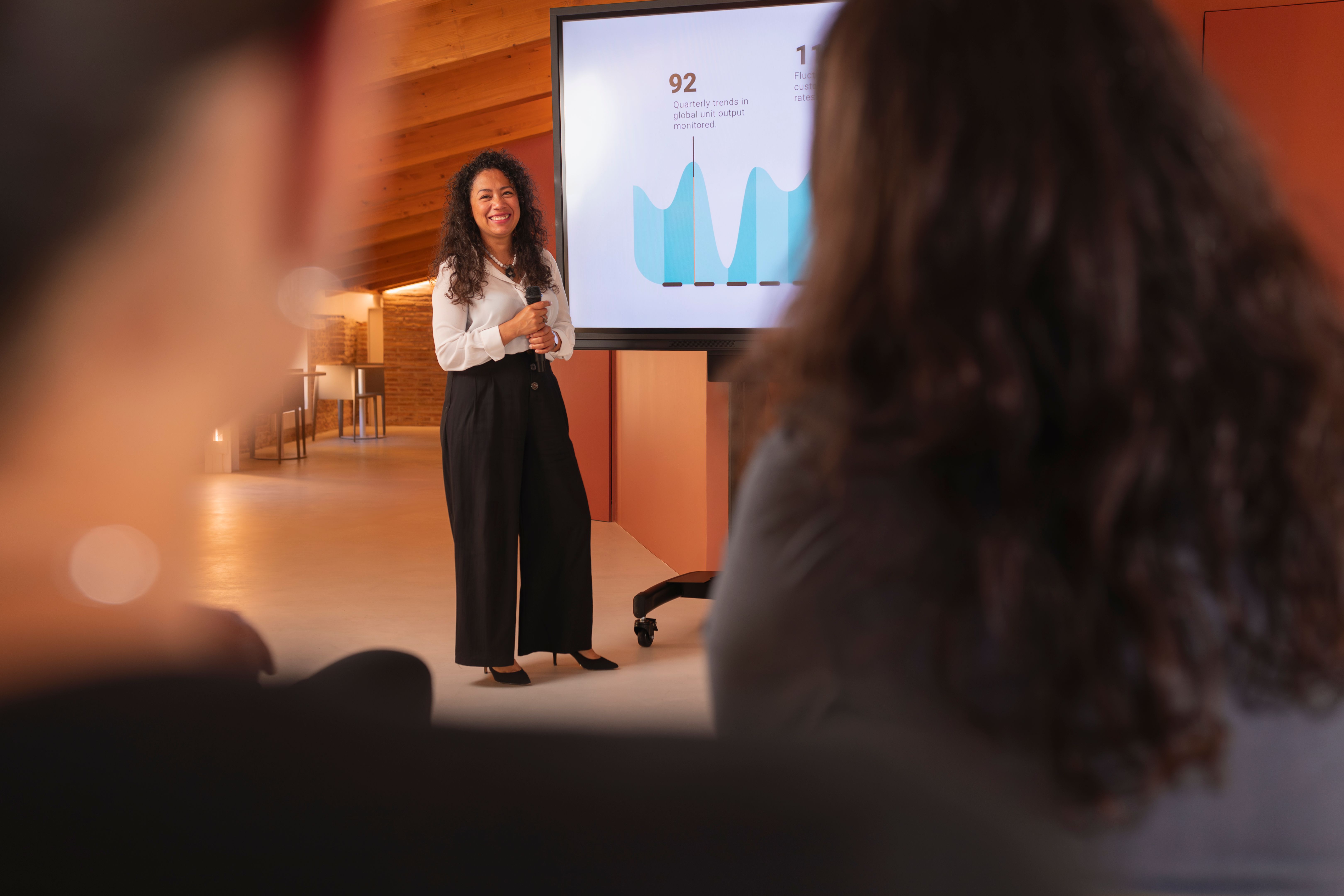
Moreover, virtual assistants can provide real-time analytics, offering insights into audience engagement levels. This data can be invaluable for refining future presentations and tailoring content to better meet audience needs.
Case Study: Successful Implementation
An example of successful implementation is a global tech conference where a leading technology company used a virtual assistant to enhance their keynote presentation. The assistant managed the slide transitions and conducted interactive quizzes with the audience, resulting in higher engagement levels compared to previous presentations.
The feedback from attendees was overwhelmingly positive, with many appreciating the interactive elements and smooth flow of the presentation. This case highlights the potential of virtual assistants to revolutionize how information is delivered in professional settings.

Challenges and Considerations
While the benefits are clear, there are challenges to consider when integrating virtual assistants into presentations. Technical issues, such as connectivity problems or software glitches, can disrupt the flow. It's crucial to have a backup plan in place to address these potential setbacks.
Additionally, presenters should ensure they are familiar with the virtual assistant's capabilities and limitations. Adequate training and practice sessions can help mitigate any issues and ensure a seamless presentation.
The Future of Keynote Presentations
As technology continues to evolve, the use of virtual assistants in keynote presentations is expected to grow. With advancements in AI, these tools will become even more sophisticated, offering new ways to engage and captivate audiences.
Incorporating virtual assistants into presentations not only enhances the experience for the audience but also empowers presenters to deliver their message more effectively. Embracing this technology can set the stage for more innovative and impactful presentations in the future.